Our latest international report
A focus on adolescent social contexts in Europe, Central Asia and Canada
This report from the 2021/2022 HBSC survey reveals concerning trends in adolescent social support, with marked declines in family relationships and rising school pressure, particularly among girls. The findings highlight significant variations across countries, genders and socioeconomic groups, emphasizing the urgent need for strengthening supportive environments for young people’s mental health and well-being.
Latest news

Positive attitudes towards homosexuality fall sharply among adolescents in the Netherlands
The 2025 Dutch HBSC report finds a large drop since 2021 in the share of secondary-school students with positive attitudes towards homosexuality, alongside falling enjoyment of school and continued pressure on girls' mental health.

Danish HBSC team publishes major report on socioeconomic inequalities in adolescent health and well-being
Three decades of Danish data shows that whilst obesity, low self-esteem, and poor mental well-being affect young people across all backgrounds, those from lower-income families are increasingly bearing a disproportionate burden, with girls from disadvantaged families particularly hard hit.

Spanish HBSC team publishes major report on adolescent sexual health trends
The Spanish HBSC team has published a comprehensive analysis of adolescent sexual health spanning two decades. The 2022 data reveals concerning trends, including a significant drop in condom use and widening inequalities, with adolescents from lower socioeconomic backgrounds facing consistently higher risks across multiple sexual health indicators.

Latest HBSC results from Spain reveal changing patterns in adolescent health and well-being
Findings from the latest HBSC survey in Spain offer a detailed look at how adolescents’ lives, health, and well-being have evolved. In 2022, more than 33,000 students aged 11 to 18 across Spain took part in the survey, making this the largest national sample to date.
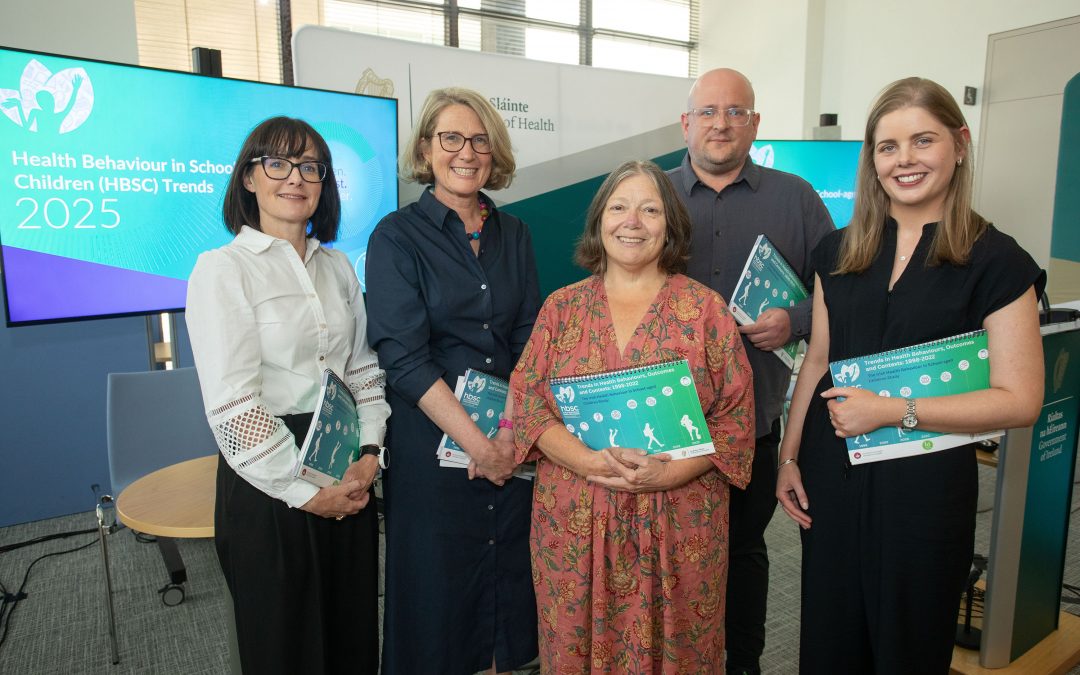
HBSC Ireland report highlights major trends in adolescent health and wellbeing over 25 years
The newly released HBSC Ireland Trends Report marks a milestone in adolescent health research, presenting a detailed picture of how the health and wellbeing of school-aged children in Ireland have evolved between 1998 and 2022. Drawing on the responses of thousands of Irish young people, the study highlights both encouraging trends and persistent challenges, offering important lessons for policymakers, educators, and families across the country and beyond.

Czech adolescents face growing sleep deficit, new HBSC data reveals
New data from the HBSC study in Czechia shows a concerning decline in adolescent sleep, with average weekday sleep duration falling below eight hours for the first time. Nearly half of Czech adolescents fail to meet recommended sleep guidelines, with "social jet lag" affecting up to 55% of 15-year-olds. Later bedtimes and increased screen time are key factors behind this growing sleep deficit.
New WHO/HBSC report highlights troubling trends in adolescent support systems
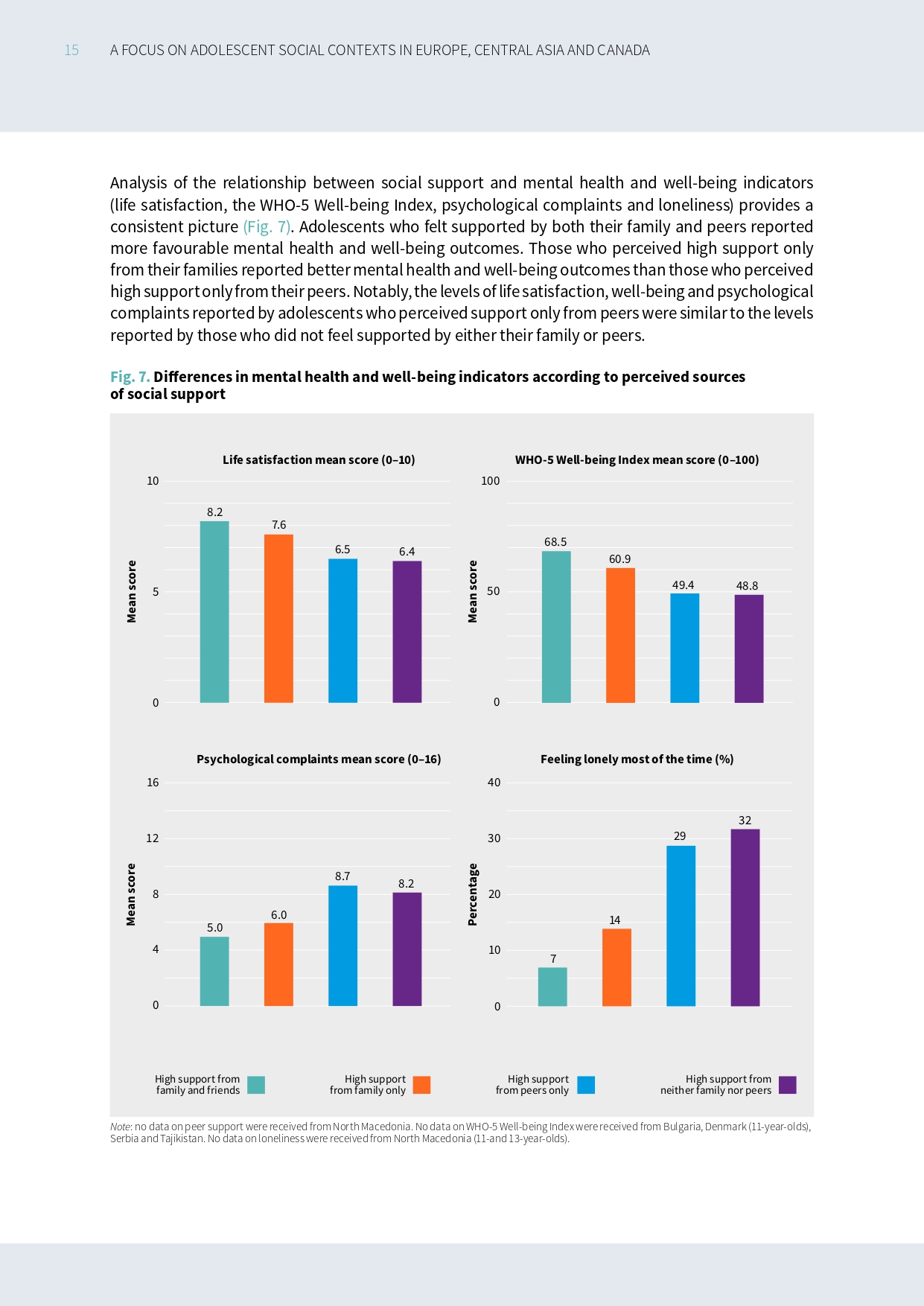
New findings from the HBSC 2021/2022 survey reveal concerning trends in adolescent social support across Europe, Central Asia and Canada. Data from nearly 280,000 young people aged 11, 13 and 15 show that only 68% report high levels of family support – a significant drop since 2018 – while school pressure has increased sharply, particularly affecting adolescent girls.

New WHO/HBSC report sheds light on adolescent digital behaviours across Europe, Central Asia and Canada
A new HBSC report, conducted in collaboration with the WHO Regional Office for Europe, provides crucial insights into adolescent digital behaviours, highlighting both the risks and benefits of social media use and gaming among youth in 44 countries and regions.

New WHO/HBSC report reveals alarming decline in adolescent condom use across Europe, Central Asia and Canada
The WHO Regional Office for Europe has today published a new report from the HBSC study, revealing concerning trends in adolescent sexual health.

New publication from HBSC Netherlands: positive social relationships amidst growing mental health concerns
A newly released fact sheet from the HBSC team in the Netherlands presents a nuanced picture of youth well-being. The findings reveal critical shifts in mental health, substance use, school experiences, and social media use—offering crucial insights to guide the support of young people throughout the Netherlands.
New report sheds light on digital technology use among Italian adolescents
The Italian HBSC team has released a comprehensive report on digital technology use among adolescents, providing crucial insights into the patterns and potential risks associated with social media use and gaming habits.

New WHO/HBSC report finds alarming disparities in diet, exercise, and weight among adolescents
The report highlights unhealthy eating habits, rising rates of overweight and obesity, and low levels of physical activity among young people, all of which are significant risk factors for a range of non-communicable diseases including cardiovascular diseases, diabetes and cancer.

New HBSC Ireland report: alarming trends in youth mental health alongside shifts in substance use and lifestyle habits
A newly released report from the Health Behaviour in School-aged Children (HBSC) team in Ireland paints a complex picture of youth well-being. The findings, published by the team at the University of Galway, reveal a mix of encouraging trends and areas of deepening concern.

New WHO/HBSC report reveals concerning trends in adolescent substance use
A comprehensive analysis of the latest HBSC study data reveals significant insights into adolescent substance use patterns across Europe, Central Asia, and Canada. Published by WHO/Europe, the new report highlights concerning trends that demand attention and targeted preventive action.

New WHO/HBSC report offers in-depth look at bullying and peer violence across Europe, Central Asia, and Canada
The latest report from the Health Behaviour in School-aged Children (HBSC) study, published today by the WHO Regional Office for Europe, reveals critical insights into the prevalence and impact of peer violence and bullying among adolescents.

EnCLASS survey reveals patterns of adolescent substance use in France
The EnCLASS survey, a joint initiative by the ESPAD and the HBSC study in France, offers a comprehensive analysis of substance use among French adolescents. Conducted between March and June of 2022, the survey included over 9,500 students from middle and high schools, providing valuable insights into the evolving patterns of alcohol, tobacco, and cannabis use.

Exploring spirituality as a factor in youth well-being: HBSC study results
Recent research from the HBSC network has brought to light a pivotal aspect of adolescent health – the role of spirituality. The new publication, titled "Establishing spirituality as an intermediary determinant of health among 42,843 children from eight countries," examines the concept of spirituality through a unique lens, revealing its profound influence on the mental health of children aged 11 to 15 years.

HBSC at EIP 2023: sharing knowledge and building partnerships for adolescent health
The HBSC study plays a key role at the ongoing Excellence in Pediatrics 2023 Conference, with Jo Inchley (International Coordinator) leading as co-chair and keynote speaker. The conference focuses on crucial adolescent health issues, and includes important updates from HBSC members on adolescent substance use and mental health.
About the study
Health Behaviour in School-aged Children (HBSC) is a WHO collaborative cross-national study of adolescent health and well-being. Founded in 1982, the survey is undertaken every four years using a self-report questionnaire. HBSC uses findings at national, regional and international levels to:
- gain new insight into young people’s health and well-being;
- understand the social determinants of health; and
- inform policy and practice to improve young people’s lives.
Years since the study was founded
Researchers in the network
Member countries IN THE NETWORK
thousand young people surveyed in 2021/22
What do we research and why?
HBSC focuses on understanding young people’s health in their social context – at home, school, and with family and friends. It aims to improve understanding of how these factors, individually and collectively, influence young people’s health throughout adolescence.
The adolescent years are a critical transitional period within the life course during which rapid physical, emotional, cognitive, and social development occurs. These years mark a period of increased autonomy during which health-related behaviours develop and independent decision-making may influence their current and future health.
Behaviours established during this transition period can continue into adulthood, affecting issues such as mental health, substance use, physical activity levels and diet, and longer-term health outcomes. Exposure to alcohol or tobacco use, physical inactivity, unprotected sex or violence, presents risks not only to adolescents’ current health and well-being but also their future health.
The adolescent years, therefore, provide a critical opportunity for prevention and intervention to support young people’s healthy growth and development, promote future health and well-being in adulthood, and, as such, underpin the health of the next generation.
How are data collected?
Data are collected in all participating countries and regions through school-based surveys using a standard methodology detailed in the HBSC international study protocol. Each country or region uses cluster sampling to select a proportion of young people aged 11, 13 and 15, ensuring that the sample is representative of all in the age range. Around 1500 students in each HBSC country or region are selected from each age group. Around 280,000 young people took part in the 2021/22 survey.
Publications
Featured reports
A focus on adolescent social contexts
This report explores young people’s social environments, highlighting declining support systems and rising school pressure, with evidence-based recommendations for strengthening youth well-being.
A focus on adolescent social media use and gaming
This report examines adolescent social media use and gaming behaviours, revealing trends in problematic use and online engagement. The findings provide essential insights to develop targeted interventions promoting healthy digital habits among youth.
Featured journal articles
Can we predict adolescent cannabis use? A Bayesian semi-parametric approach to project future trends
Addictive Behaviors (2024)
Trends and the Gender Gap in the Reporting of Sexual Initiation Among 15-Year-Olds: A Comparison of 33 European Countries
The Journal of Sex Research (2024)
Data ACCESS
The HBSC study provides methodologically rigorous, comparative data about the social determinants of health and well-being among young people. HBSC data files are produced from national surveys conducted in each member country using the HBSC research protocol.
National HBSC data files are submitted to the HBSC Data Management centre and the HBSC International data file is created.
Open access to survey data
Browse, analyse and download nationally representative data from HBSC surveys in 2001/02, 2005/06, 2009/10 and 2013/14. Data from the 2017/18 survey will be added in October 2022.
HBSC data browser
Explore, compare and share cross-national results from the latest international survey in 2022, alongside comparable figures from the HBSC surveys in 2014 and 2018.
Other data requests
Data from HBSC surveys in 1985/86, 1989/90, 1993/94, 1997/98 and 2017/18 are available for use by agreement with the HBSC International Coordinator and Principal Investigators.
Youth engagement
Article 12 of the United Nations Convention on the Rights of the Child – which enshrines children’s rights to have their views and opinions heard, respected and taken into account – is fundamental to the work of HBSC.
The HBSC network believes that young people are essential stakeholders in the production of science and policy relevant to their lives.
The HBSC network uses a range of methodologies to enable young people to play an active role in the research process. Participatory research approaches with young people are employed in data generation, devising new research areas and related questions, data analysis and interpretation, and disseminating findings.

This book showcases rights-based participatory approaches to policy-making, practice and research with children. It includes a chapter written by the HBSC team in Ireland that describes the process and impact of involving young people in question development in the national survey.

This guide outlines the rationale for including children and adolescents in decision-making. It presents guidance on how participation with young people can be planned and executed to inform policy and practice developments and calls for policy-makers to prioritize both marginalized and seldom-heard adolescents and young children in decision-making.

Participants reviewed key issues as they relate to adolescent well-being in the WHO European Region to identify policy implications for countries and highlight technical and other resources needed to support countries in accelerating progress towards more equitable health and well-being in adolescence.
Connect with us
Email us
We welcome feedback, comments and enquiries about the HBSC study and research network. Email the International Coordinating Centre or Data Management Centre with your queries
Contact country teams
Find out about HBSC teams in your country. Contact details, team information and featured publications are available for each of the 51 teams currently in the study.
Social media
We are on Twitter and would love to connect with you. Follow @HBSCstudy for the latest news, reports, relevant research, comment and more.